Located at Paseo de las Palmas 735 Int 303, Lomas de Chapultepec (CDMX)
55 5202 9888 // 55 1664 7190 // 55 1664 7180

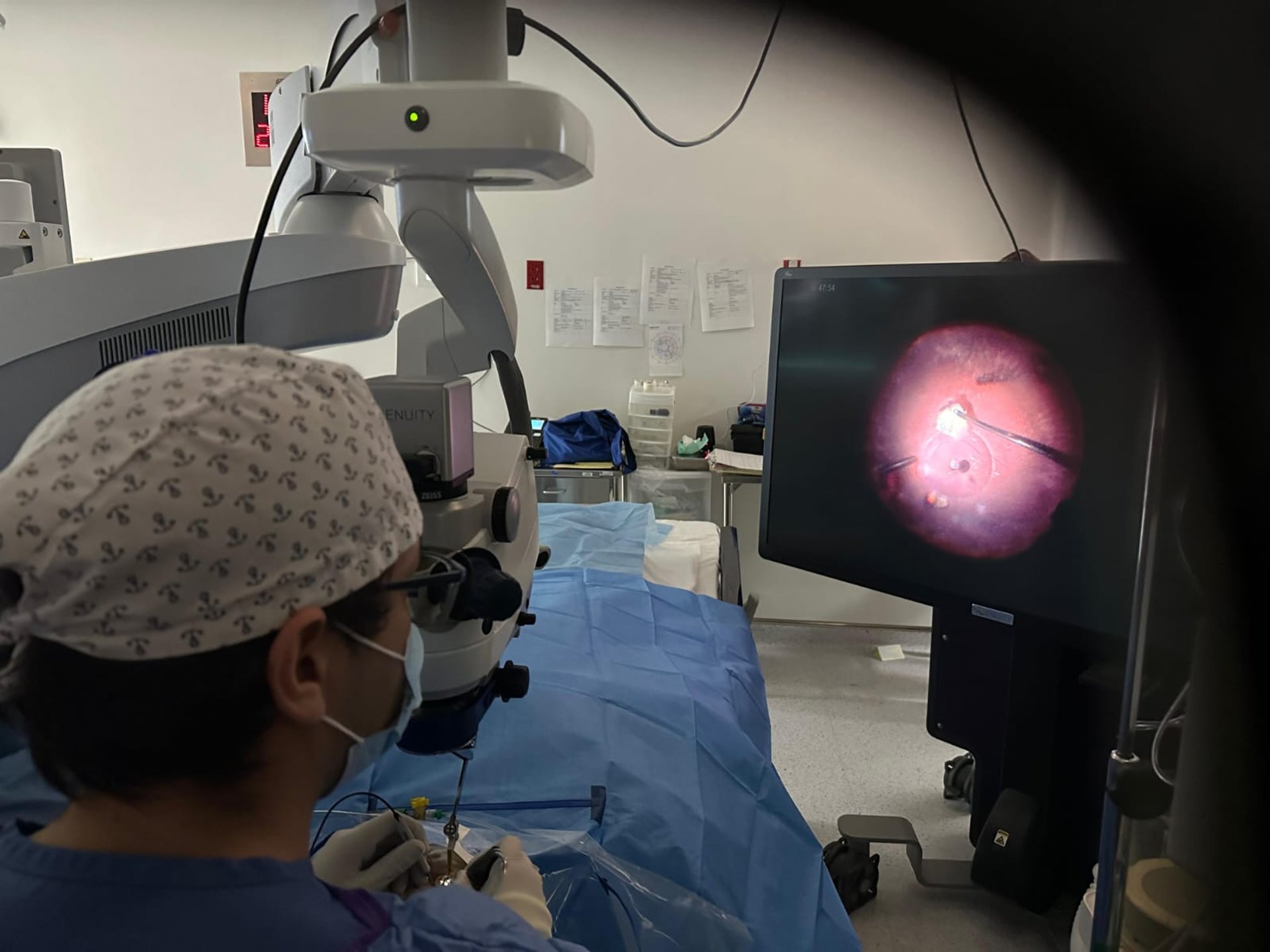
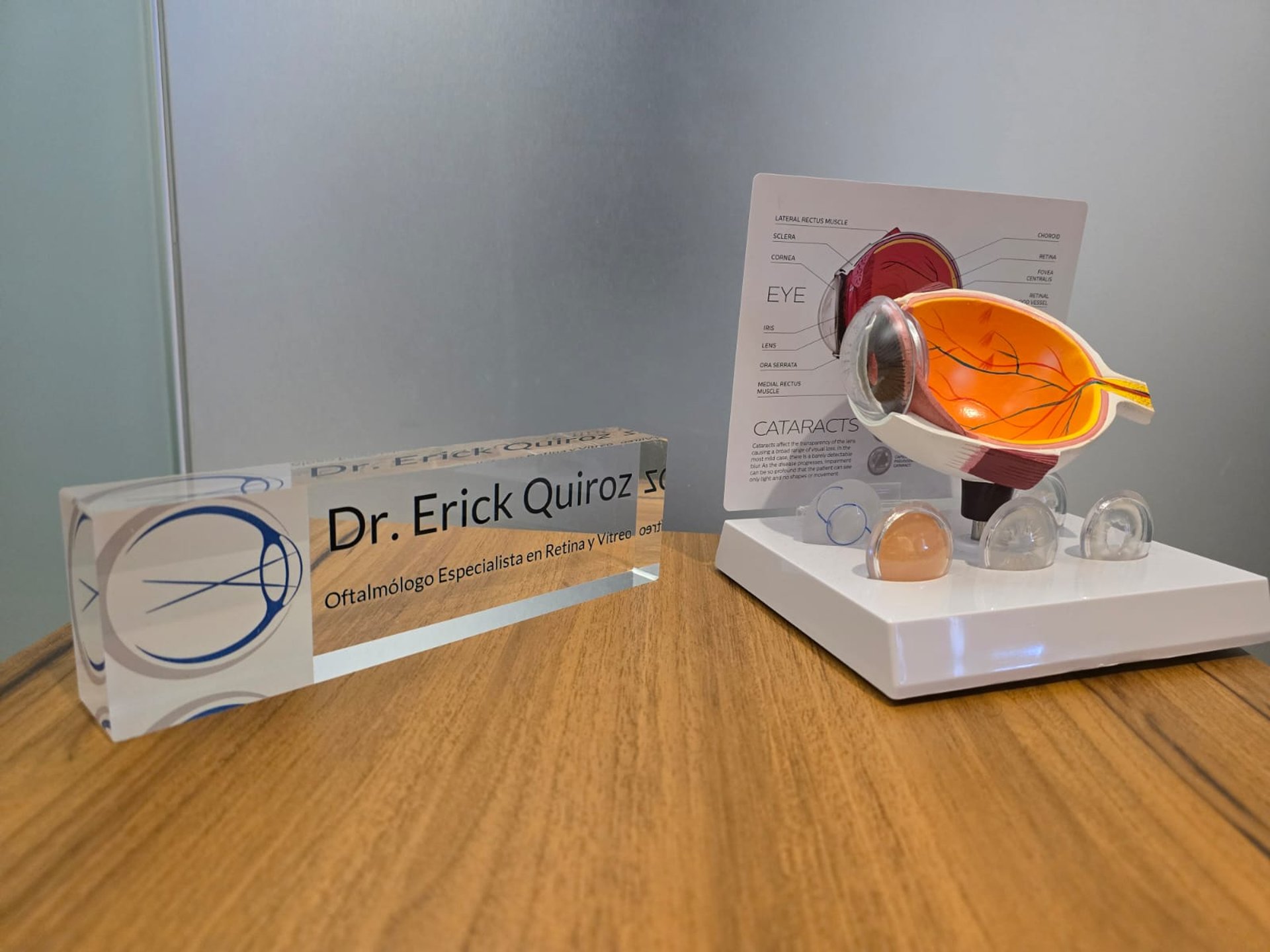
Dr. Erick Quiroz
Medical Doctor and Ophthalmologist
Advanced Specialist in Cataract Microsurgery Vitreoretinal Pathology and Macular Surgery
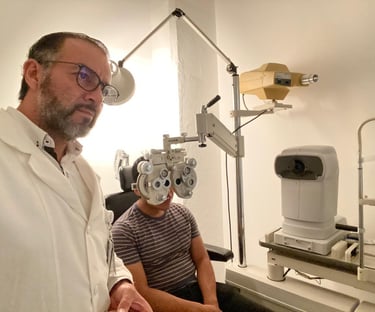
With Dr. Quiroz and his medical staff, as well as his ophthalmology clinic, you will receive a comprehensive eye exam and warm, compassionate care. Preserving, caring for, and treating the most important sensory organ for human beings: THE SIGHT.
What is the human eye and what parts does it consist of?
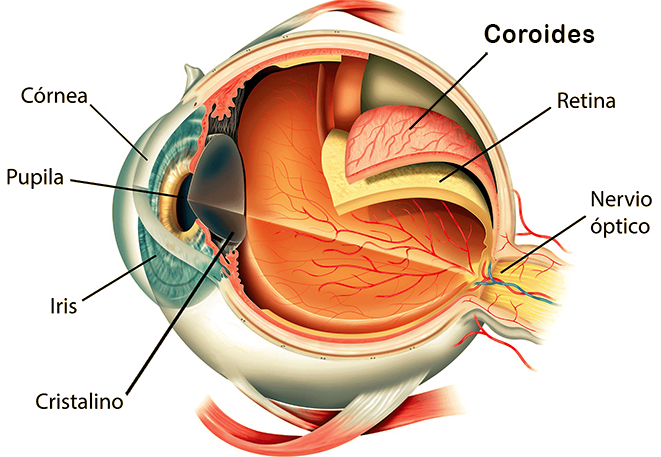
The eyeball is the sensory organ responsible for vision. It is specialized in receiving and processing light to allow our brain to interpret it as an image.
It is made up of the following parts:
Cornea: The lens that focuses light; it causes refractive errors such as myopia (nearsightedness).
Iris: The structure that gives the eye its color and protects it from excessive light.
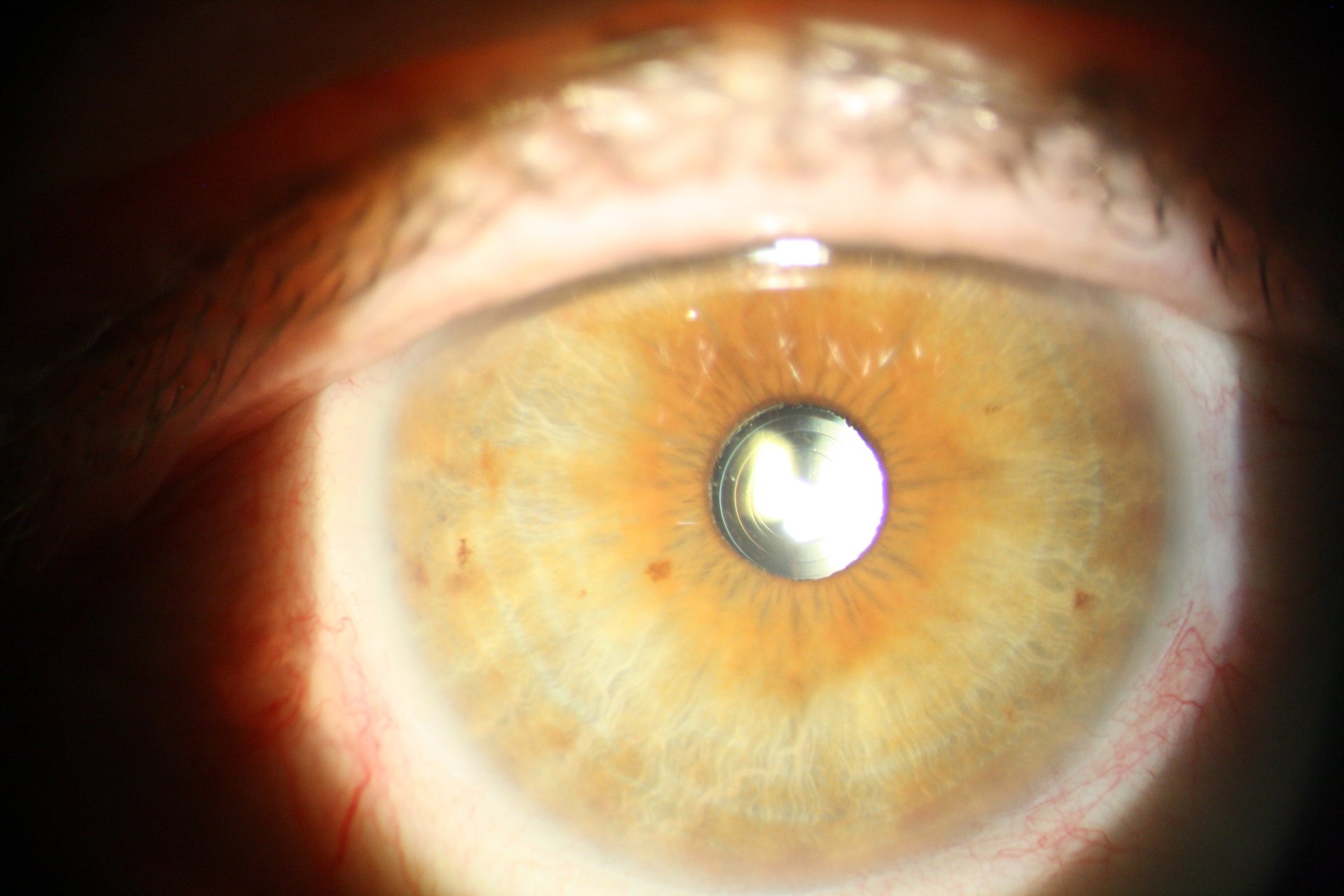
Lens: The natural lens that allows us to see up close; it becomes cataractous in old age.
Vitreous gel: The component that gives the eye its shape; it causes floaters.
Retina: The most important structure of the eye, which captures light so we can see; it is affected by various vitreoretinal diseases.
Optic nerve: It carries information from the eye to the brain; it is affected by glaucoma.
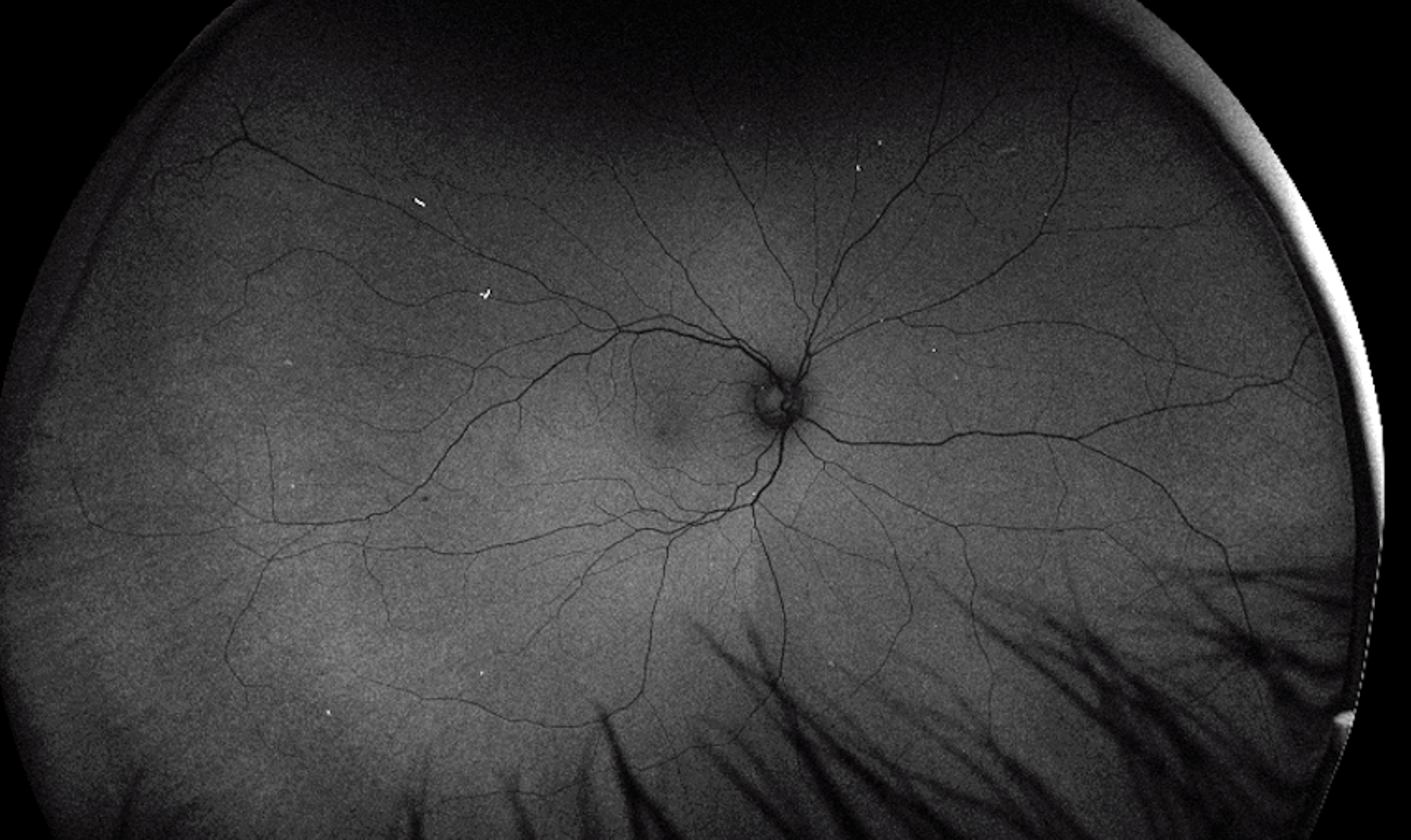
Our Knowledge
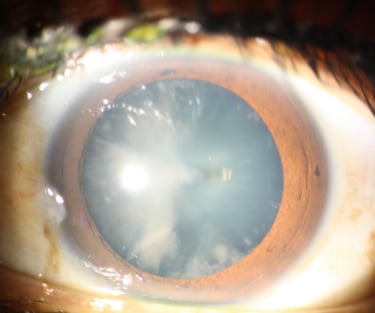
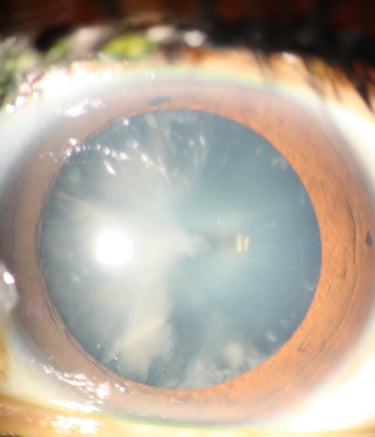
Cataract
Clouding of the natural lens due to aging, which causes glare, difficulty reading, or blurred vision.
It requires removal via microsurgery, followed by the implantation of an intraocular lens tailored to the needs of each patient and eye.
We have extensive experience performing cataract surgery regardless of lens thickness or associated comorbidities.
Myopia, Hyperopia, and Astigmatism
Refractive Surgery
Glaucoma
Refractive errors caused by an abnormal length of the eyeball or alterations in corneal curvature manifest as poor distance vision and good near vision in myopia, poor distance and near vision in hyperopia, and halos or light stretching in astigmatism.
We have the necessary equipment for both diagnosis and correction.
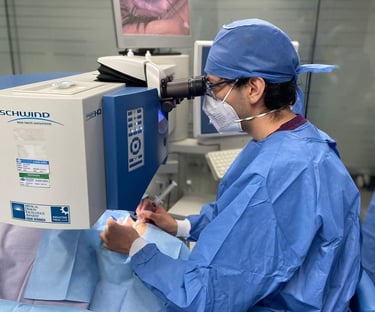
A surgical procedure performed to correct myopia, hyperopia, or astigmatism, allowing for independence from glasses or contact lenses.
The surgery is performed using the latest laser technology for precise correction or through the implantation of phakic intraocular lenses custom-designed for each patient and each eye.
This condition is extremely common in people over 40, characterized by slight increases in intraocular pressure and causing a decrease in peripheral vision, which is often asymptomatic.
Diagnosis and monitoring require diagnostic imaging, and treatment involves eye drops that lower intraocular pressure or shunt devices.
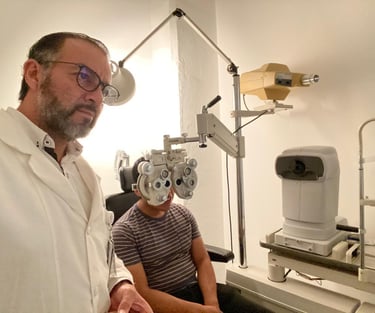


Ophthalmo-pediatric
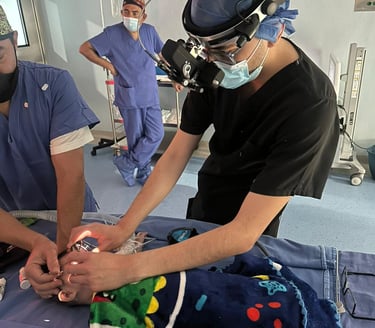
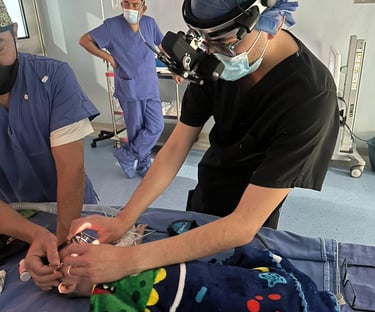
Currently, by official mandate, all newborns require an ophthalmological screening at one month and six months of age, and annually thereafter.
We have extensive experience in the evaluation and management of infants, regardless of their age or any associated conditions.
Retinal Detachment
Diabetic Retinopathy
Macular Degeneration
An ophthalmological emergency that poses a risk of irreversible vision loss. It occurs most frequently in patients with myopia, manifesting as floaters, blurred vision, flashes of light, or a curtain obscuring the view.
It requires prompt surgery by an ophthalmologist specializing in vitreoretinal surgery for its resolution.
Unfortunately, diabetes is the leading cause of blindness in our country. It can be asymptomatic, present with vision loss, internal bleeding, or even pain in advanced stages.
It requires multidisciplinary management led by a retina specialist, using laser therapy, anti-VEGF injections, or surgery.
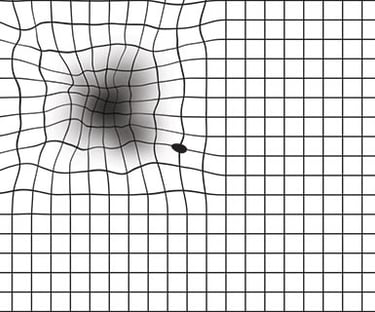
The macula is the central structure of the retina, which allows us to have sharp vision, recognize faces, and read. From the age of 50, a degenerative process of the macula can occur, presenting as decreased vision or distorted vision.
This can be either wet or dry, and depending on the variant, the treatment consists of anti-VEGF injections.
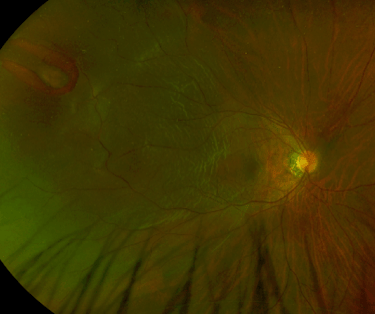
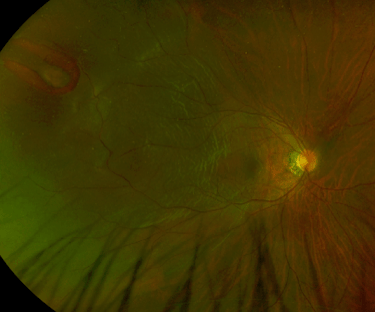
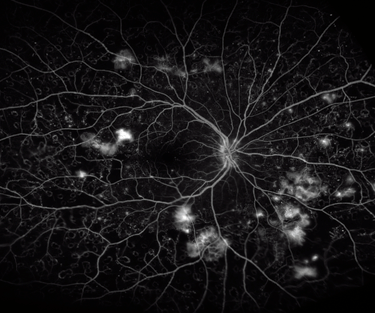
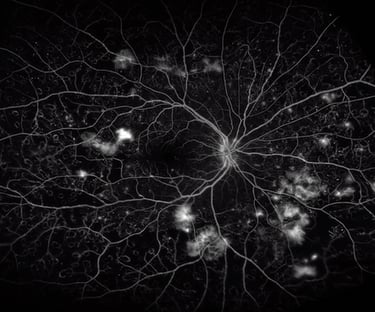
Discover my skills in ophthalmology and the most common pathologies I specialize in
Many eye conditions require ophthalmological examinations for accurate diagnosis, as well as surgical procedures, laser treatments, and other therapies for their management. Learn about the different services that Dr. Erick Quiroz offers.
Contact
Location Palmas Medical Office
Phone Number
+52 55 5202 9888
+52 55 1664 7190
+52 55 1664 7180
0709erick@gmail.com
Working Hours
Monday-Friday 9:00 am a 6:00 pm
Emergencies 24 x 7
Aviso de publicidad Cofepris: 2515062002A00098
© 2025. Copy right by Dr Erick Quiroz. All rights reserved.
Av. Paseo de las Palmas ext 735-int 303, Lomas de Chapultepec III Secc, Miguel Hidalgo, 11000 Ciudad de México, México
Schedule an appointment or request information via WhatsApp
Click here
Check out our social media: